The Hidden Psychology Behind Competitive Gaming
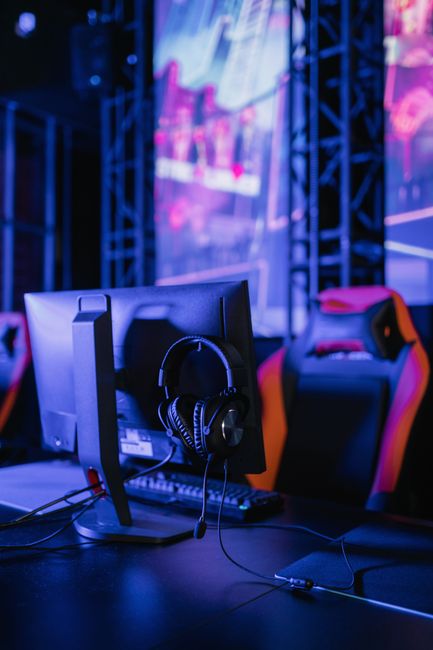
The Hidden Psychology Behind Competitive Gaming
Competitive gaming, or esports, has exploded in popularity over the past decade, transforming from a niche hobby into a global phenomenon. But what drives millions of players to compete, practice, and even sacrifice their personal lives for the sake of victory? The answer lies in the intricate psychology behind competitive gaming—a mix of cognitive, emotional, and social factors that keep players hooked and pushing their limits.
The Thrill of Mastery and Progression
One of the most powerful psychological drivers in competitive gaming is the sense of mastery. Games like *League of Legends*, *Counter-Strike 2*, and *Valorant* are designed to reward skill progression, with each victory or defeat reinforcing the player’s abilities—or exposing their weaknesses. The brain releases dopamine, a neurotransmitter associated with pleasure and reward, when players overcome challenges or climb the ranked ladder. This creates a feedback loop: the more they play, the more they want to improve, driven by an innate desire to prove their competence.
Psychologists refer to this as the competence motivation theory, where players are intrinsically motivated to seek out challenges and refine their skills. The competitive structure of esports amplifies this effect, as rankings and leaderboards provide clear benchmarks for success, making progress tangible and motivating.
The Role of Social Identity and Community
Competitive gaming isn’t just about personal achievement—it’s also about belonging. Esports thrives on community, whether it’s through team-based play, online forums, or live-streaming platforms like Twitch. Players often form deep social bonds with teammates, coaches, and even rivals, creating a sense of identity tied to their gaming persona.
Research in social psychology shows that group affiliation can significantly boost motivation and performance. In esports, this translates to team cohesion, where players develop trust, communication skills, and a shared goal. The fear of letting down teammates or the desire to represent a favorite team can drive players to perform at their peak. Conversely, toxic behavior or lack of teamwork can lead to frustration and burnout, highlighting how social dynamics shape the competitive experience.
Pressure, Stress, and the Psychology of Performance
While competitive gaming can be exhilarating, it also comes with immense psychological pressure. High-stakes tournaments, salary-based competitions, and the scrutiny of fans and sponsors create a high-stress environment. Some players thrive under pressure, entering a state of flow where they’re fully immersed and performing at their best. Others succumb to choking, a phenomenon where anxiety disrupts performance despite preparation.
Sports psychology techniques, such as visualization, mindfulness, and controlled breathing, are increasingly adopted by professional gamers to manage stress. Understanding these psychological mechanisms can help players develop resilience and maintain peak performance under pressure. The best esports athletes treat their mental game with the same rigor as their mechanical skills.
Conclusion: Why Competitive Gaming Captivates Us
The psychology behind competitive gaming is a fascinating blend of reward systems, social bonds, and mental resilience. Whether you’re a casual player or an aspiring pro, the drive to compete, improve, and connect with others is deeply rooted in human nature. As esports continues to grow, so too will our understanding of what makes competitive gaming such a compelling and addictive experience.
So next time you queue up for a ranked match, remember—you’re not just playing a game. You’re engaging in a complex psychological dance, one that taps into the very core of what motivates and challenges us.